
Can I Install My Own EV Charger in Calgary?
Learn whether you can install your own EV charger in Calgary, including permit rules, code requirements, safety concerns, and inspections.

Written by the FuseSmart Electric Team & Reviewed by Jesse Tompkins
Key Takeaways:
EV charger installations in Calgary require permits, inspections, and code-compliant electrical work completed by a licensed electrical contractor.
Level 2 EV chargers place continuous demand on your electrical system and often require dedicated circuits and load calculations.
Improper EV charger installation can lead to overheating, nuisance breaker trips, failed inspections, and insurance complications.
EVEMS technology may help some Calgary homeowners avoid a costly service or panel upgrade.
Tesla Wall Connectors and other Level 2 chargers generally require panel assessments to be completed by a licensed electrician before installation.
Hiring a licensed electrician helps ensure safe installation, permit compliance, and long-term reliability.
Many Calgary homeowners ask whether they can install a Tesla charger or EV charger themselves to save money. That question comes up often with Tesla, Ford, Rivian, Hyundai, and Porsche owners looking to charge faster at home instead of relying on public charging stations.
Some homeowners also hear from general contractors or handymen offering low-cost installs. Before moving forward, it’s worth understanding how EV charging affects your home’s electrical system, what the City of Calgary requires for permits and inspections, and where professional electrical expertise matters most.
Can You Legally Install Your Own EV Charger in Calgary?
Generally, no. Based on the City of Calgary permit requirements at the time of writing, EV charger installations require permits, electrical load calculations, and wiring installation to be completed by a qualified electrical contractor.
Calgary homeowners may technically be allowed to perform certain electrical work on their own home in some cases, but as a general rule, any projects that require new wiring or increased electrical demand require permits. EV charger installations, are typically more regulated than standard DIY electrical projects because of the high electrical load and continuous power demand involved.
Most Level 2 EV chargers require:
A dedicated 240V circuit
Proper breaker sizing
Load calculations
Grounding and bonding
Permit approvals
Electrical inspections
The City of Calgary requires permits for many EV charger installations, especially when new circuits, panel modifications, or service upgrades are involved. Alberta electrical work must also comply with the Canadian Electrical Code and Alberta Electrical Code requirements.
According to the City of Calgary homeowner permit guidance, permit eligibility can vary depending on the scope of work and whether service upgrades, EVEMS systems, or major electrical modifications are involved.
That’s why many EV charger projects in Calgary involve licensed electricians even when homeowners initially consider DIY installation.
EV charger installation involves much more than mounting a charger on a garage wall. Most of the planning happens behind the panel.
A Level 2 EV charger continuously draws high amperage for long charging sessions. That ongoing demand affects:
Panel capacity
Breaker sizing
Wire sizing
Heat generation
Load balancing
Overall electrical safety
For example, a Tesla Wall Connector may charge at 40–60 amps depending on configuration. In many Calgary homes, especially older properties in areas like Mount Pleasant, Lake Bonavista, or Acadia, the existing panel may already be near capacity with air conditioning, hot tubs, basement suites, or electric heating loads.
Detached garages also add complexity because electricians often need to:
Run underground wiring
Account for voltage drop
Install weather-rated equipment
Verify grounding requirements
Protect against moisture and freezing conditions
Load calculations determine whether your existing electrical service can safely support EV charging without overloading the system, which is why many homeowners start with a professional assessment before purchasing charging equipment.
In some cases, the assessment shows the panel is already sufficient. In others, upgrades or load management systems may be recommended, which can affect the overall EV charger installation cost.
What’s Involved in Installing an EV Charger?
Many homeowners assume EV charger installation is simply mounting a charger to the wall and plugging it in. In reality, most Level 2 EV charger installations involve several electrical and safety considerations behind the scenes.
A typical EV charger installation in Calgary may include:
Electrical Panel Assessment
Before installation begins, the electrician assesses your home’s electrical panel to determine whether it can safely support the additional charging load.
This includes reviewing:
Existing panel capacity
Current household electrical demand
Available breaker space
Future electrical needs
Homes with air conditioning, hot tubs, basement suites, electric heating, or detached garages may already be near capacity.
Load Calculations
EV chargers draw continuous power for long charging sessions, which means electricians must perform load calculations to verify the electrical system can safely handle the added demand without overloading the panel.
Dedicated 240V Circuit Installation
Most Level 2 chargers require a dedicated 240V circuit with:
Proper breaker sizing
Correct wire gauge
Code-compliant wiring methods
Grounding and bonding
The circuit often runs directly from the panel to the garage or exterior charging location.
Wiring Runs & Garage Installation
Depending on the home layout, installation may involve:
Running wiring through finished walls
Surface-mounted conduit
Underground trenching to detached garages
Weatherproof outdoor equipment
Voltage drop considerations for longer distances
Permit & Inspection Coordination
Most Calgary EV charger installations require:
Electrical permits
City inspections
Alberta code compliance
Professional electricians typically handle the permit and inspection process on the homeowner’s behalf.
Charger Mounting & Configuration
Once the electrical infrastructure is complete, the charger itself is mounted, configured, and tested to ensure:
Proper charging speeds
Safe operation
Reliable breaker performance
Correct communication with the vehicle
For Tesla Wall Connectors and smart EV chargers, setup may also include Wi-Fi configuration, power-sharing settings, and app integration.
Final Testing & Safety Verification
After installation, electricians verify:
Proper voltage and amperage
Breaker performance
Charger communication
Ground fault protection
Safe continuous charging operation
The final inspection helps confirm the installation meets Calgary and Alberta electrical safety requirements.
Do You Need a Permit to Install an EV Charger in Calgary?
Most EV charger installations in Calgary require electrical permits and inspections.
The City of Calgary uses permits and inspections to verify that electrical work meets safety standards under the Canadian Electrical Code and Alberta Electrical Code. These inspections help protect homeowners from overloaded circuits, fire risks, and unsafe installations.
Permits also create documentation showing the work was completed properly. That documentation can matter later during:
Home sales
Insurance reviews
Renovations
Future electrical upgrades
Warranty claims
Unpermitted electrical work can create problems if:
A home inspection identifies undocumented wiring
Insurance companies investigate electrical damage
Future electricians uncover unsafe modifications
A charger installation fails inspection later
In some installations, ENMAX coordination may also be required if the home needs a service upgrade or increased electrical capacity.
The process typically includes load assessment, permit application, installation, inspection, and final approval.
Professional electricians typically handle permits and inspections start to finish so homeowners are not left navigating code requirements alone.
Can I Install a Tesla Wall Connector Myself?
A Tesla Wall Connector installation often requires more planning than homeowners expect. Tesla chargers are Level 2 charging systems that typically require:
A dedicated 240V circuit
Proper breaker sizing
Correct wire gauge
Panel capacity verification
Load calculations
Permit approvals
The bigger challenge is making sure the home’s electrical system can reliably support the charging demand.
For example, a Calgary homeowner with a 100 amp panel and an electric range, air conditioning, hot tub, finished basement, and garage heater may already be close to maximum electrical capacity before adding EV charging.
That’s why many Tesla Wall Connector installations begin with a panel assessment from a licensed electrician first. Some homes may need a panel upgrade, circuit redistribution, or EVEMS installation. Others may already have enough capacity for installation without major upgrades.
What Happens if an EV Charger Is Installed Incorrectly?
Improper EV charger installation can create expensive and potentially dangerous electrical problems over time. Common issues from improper installation include:
Overheating wires
Loose connections
Nuisance breaker trips
Overloaded panels
Failed inspections
Damaged charging equipment
Reduced charging performance
In more serious cases, electrical failures can contribute to residential fire risks. The Government of Canada and electrical safety organizations consistently identify electrical failures and faulty wiring among leading causes of residential fires.
Incorrect installation can also affect:
Manufacturer warranties
Home insurance claims
Future home inspections
Property resale documentation
Some homeowners only discover problems after:
Chargers stop working consistently
Breakers trip repeatedly
Lights flicker during charging
Inspectors flag code violations
Electricians uncover undersized wiring
For most EV owners, home charging becomes one of the biggest conveniences of owning an electric vehicle.
A professionally installed Level 2 charger allows you to:
Charge overnight at home
Avoid frequent public charging stops
Recharge faster than a standard outlet
Improve winter charging reliability
Prepare the home for future EV ownership
Most homeowners just want dependable overnight charging without planning their schedule around public stations.
Why Hiring a Licensed EV Charger Electrician Is Worth It
Professional EV charger installation is about more than mounting equipment neatly on the wall. A licensed electrician helps verify that the entire electrical system can safely support EV charging now and in the future. That process typically includes:
Load calculations
Panel assessment
Permit coordination
Code compliance review
Dedicated circuit installation
Inspection scheduling
Future capacity planning
Many homeowners are offered lower-cost installs through general contractors or non-specialized trades during renovations or garage projects. Some of those installers may handle basic wiring regularly but may not specialize in EV charging systems, load management, or Alberta electrical code requirements.
EV charging systems place continuous electrical demand on a home. Small installation shortcuts can become expensive later if:
Panels become overloaded
Chargers fail inspection
Wiring overheats
Future upgrades become more complicated
A licensed EV charger electrician helps reduce those risks while ensuring the installation remains clean, code-compliant, and properly documented.
Professional installation also helps homeowners plan ahead for:
Future EV purchases
Additional charging capacity
Solar integration
Battery storage systems
Frequently Asked Questions
-
Homeowners in Calgary may legally perform some electrical work on their own home, but most Level 2 EV charger installations still require electrical permits, inspections, proper load calculations, and compliance with Alberta electrical code requirements.
Because EV charger installations involve high-voltage 240V circuits and significant electrical load, many homeowners choose to work with a licensed electrician to help ensure the installation is safe, code-compliant, and properly permitted.
-
Yes. Most Level 2 EV charger installations in Calgary require electrical permits and inspections through the City of Calgary.
Permits are typically required when installing a new 240V circuit, upgrading electrical panels, modifying wiring, or installing EV Energy Management Systems (EVEMS).
-
A Tesla Wall Connector may appear simple to mount, but the dedicated circuit, load calculations, and panel assessment behind the installation are often the more complex part.
-
Installation costs vary depending on panel capacity, wiring distance, garage layout, charger type, and whether upgrades or EVEMS systems are required.
Next Steps for Installing an EV Charger in Calgary
EV charger installation should be safe, straightforward, and fully code-compliant.
FuseSmart Electric provides clean, code-compliant EV charger installations throughout Calgary and the surrounding areas, including Airdrie, Okotoks, Chestermere, and Cochrane. Every project is overseen by a Certified Master Electrician with 17+ years of experience handling residential electrical systems, permits, inspections, and EV charging infrastructure.
Whether you’re installing a Tesla Wall Connector, planning for a Ford Lightning, or exploring EVEMS options to avoid a panel upgrade, you’ll get:
Clear communication
Honest recommendations
Upfront pricing
Permits and inspections handled start to finish
A 3-year workmanship warranty
A free on-site assessment
Book a consultation or call (587) 216-2466 directly to discuss your EV charging setup.
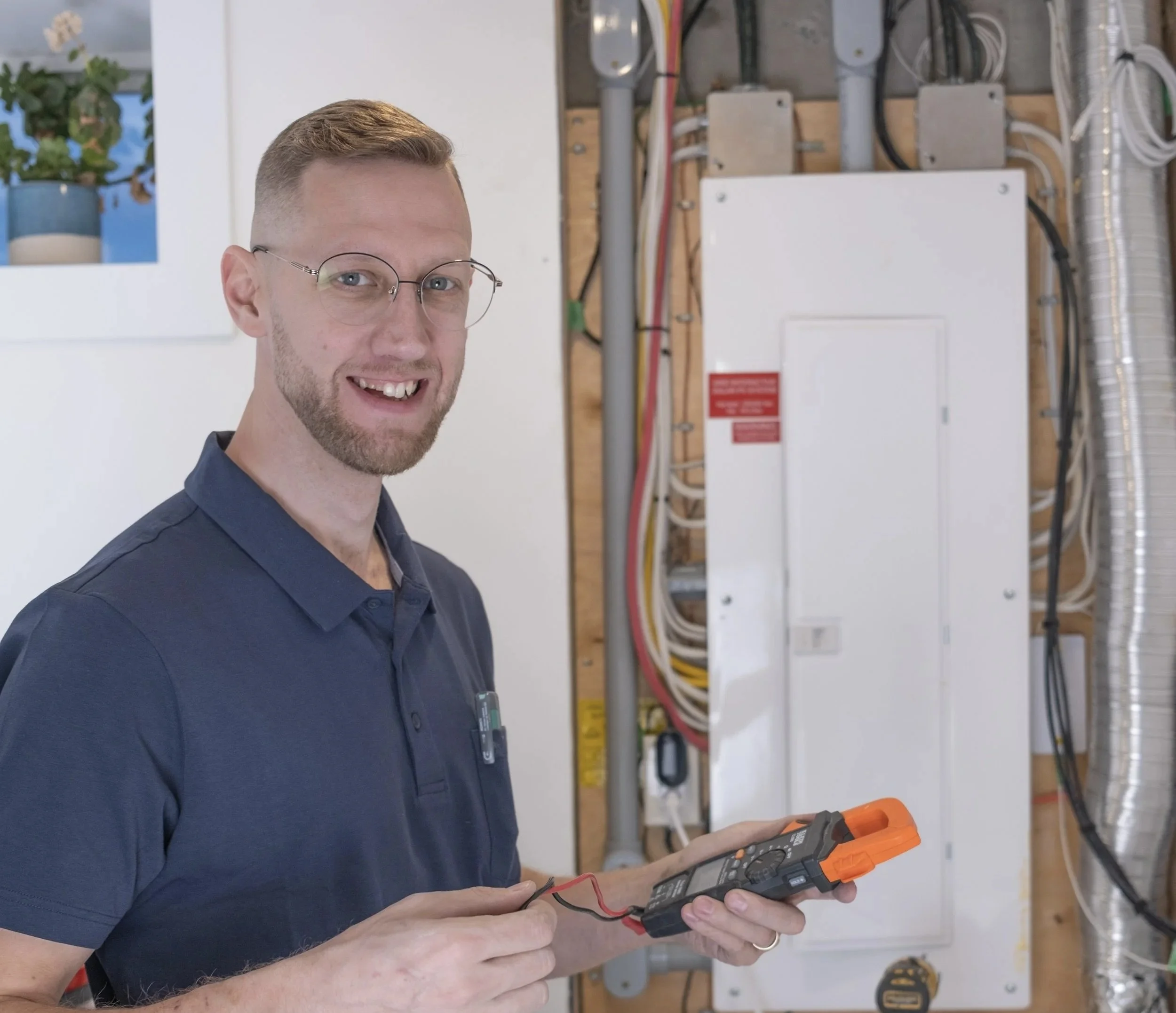
Reviewed By: Jesse Tompkins
Master Electrician & Owner of FuseSmart Electric
Jesse is a Red Seal Certified Master Electrician with 17+ years of hands-on experience serving Calgary and the surrounding area. He founded FuseSmart Electric to raise the standard for residential electrical work, with a focus on clean, code-compliant installations and honest, personal service. Jesse oversees every project and remains your main point of contact, working alongside a trusted team to deliver safe, reliable results homeowners and businesses can count on.
This article is part of our commitment to providing clear, honest, and practical electrical guidance for residents of Calgary. All content is written or reviewed by licensed electricians to ensure accuracy and safety. Please visit our Editorial Process page for more details.
Need Reliable Electrical Help? Let’s Talk.
Whether it’s an urgent issue or a long-planned upgrade, FuseSmart delivers fast, friendly, expert service backed by a Master Electrician and real peace of mind.
Available for 24/7 Emergency Service in Calgary and the surrounding areas
